Remove It or Save It? How Arborists Decide in Northern NJ
A leaning trunk doesn't always mean removal. Here's the 4-point check a certified arborist runs before recommending the saw.
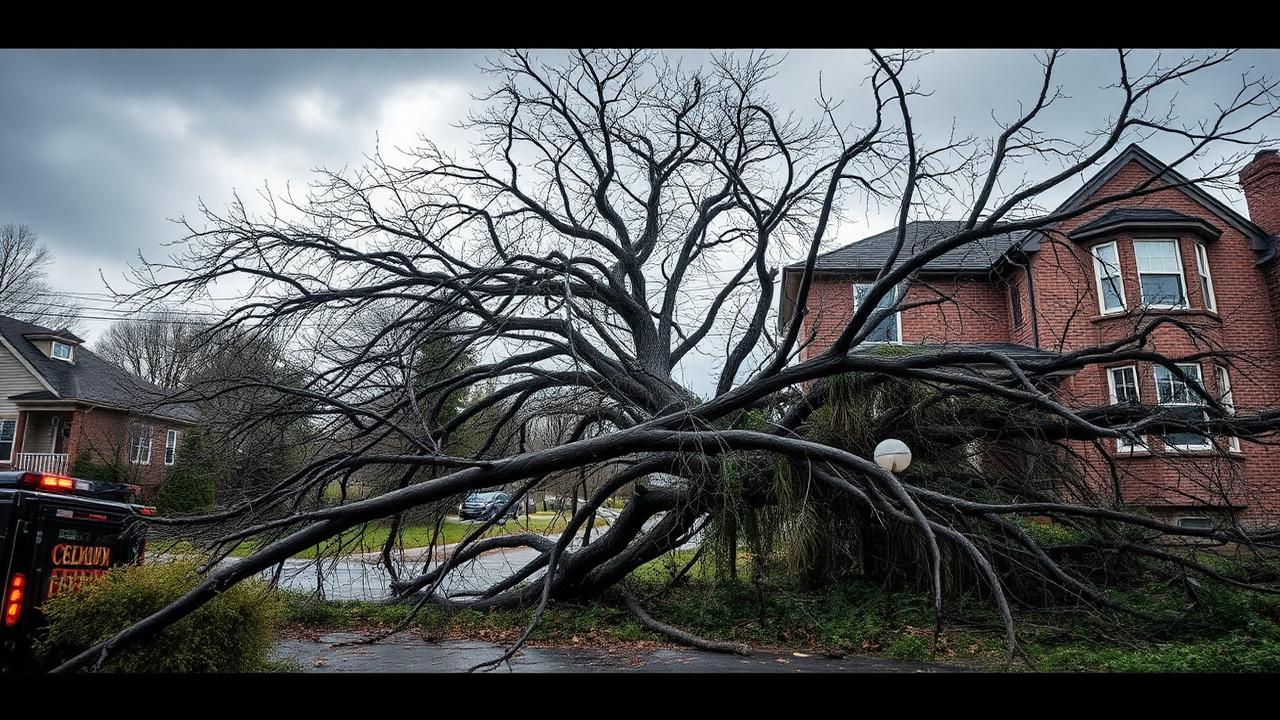
Almost every homeowner in Wayne, Morristown, and across Northern NJ has a tree they're worried about. It leans toward the house. A storm tore off a major limb. The bark is splitting near the base. The instinct is to call someone to take it down — but removal is permanent, expensive, and frequently unnecessary.
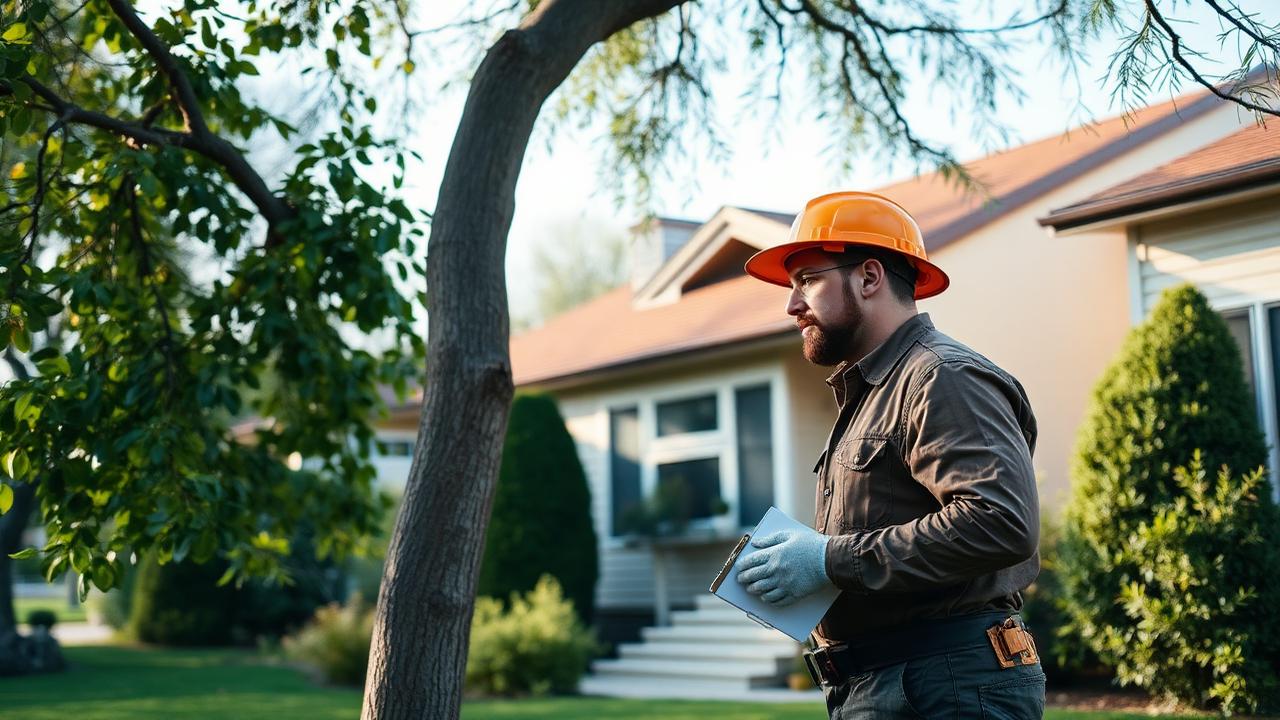
After 28 years of climbing trees in this part of New Jersey, here's the actual checklist a certified arborist runs before recommending the saw.
The 4-point structural check
1. Structural integrity. We look for cracks in the trunk, included bark at major unions (where two limbs meet without being properly fused), and any sign of recent lean. Long-standing lean is usually fine — the tree built reaction wood to support itself decades ago. Recent lean, especially with soil heaving on the high side of the root plate, means the roots are failing.
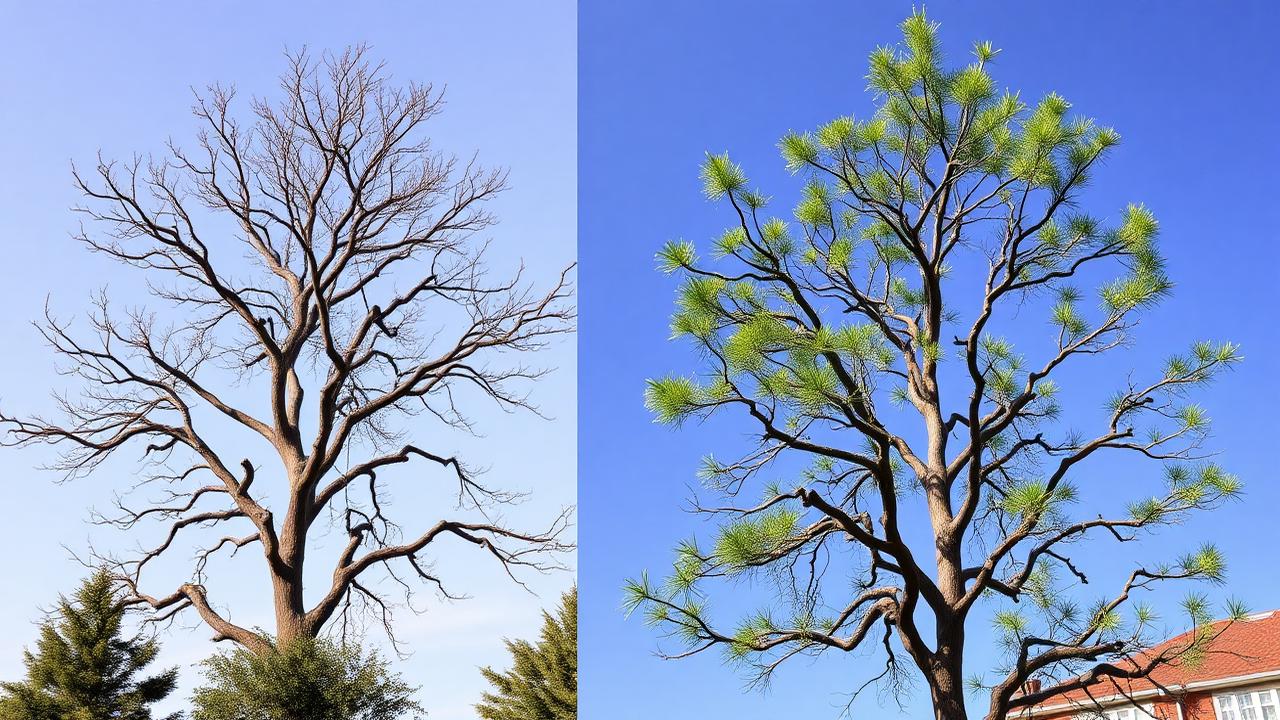
2. Crown loss. A healthy mature tree can usually recover from up to about 30% canopy loss. Beyond that, the tree no longer has enough leaf area to feed itself, and recovery becomes a multi-year question mark.
3. Decay extent. A small cavity isn't fatal — trees compartmentalize damage, sealing it off with new wood. But once decay extends through more than roughly 30% of the trunk's cross-section at any point, the structural reserve is gone. We use a resistograph or sounding mallet on borderline cases.
4. Target. What would the tree hit if it failed? A 70-foot oak over open lawn is a completely different conversation than the same tree leaning over a child's bedroom. Risk is always (probability of failure) × (consequence of failure). Sometimes the answer is "leave it and reassess in two years."
When removal is the right call
Structural failure that can't be cabled. Species that drop limbs without warning even when healthy — silver maples, Bradford pears, mature ash with EAB damage. Dead trees over a target almost always have to come down.
When the tree can be saved
Cabling, bracing, targeted crown reduction, and rot-hole treatment can extend the life of a valuable mature tree by decades. We've saved hundreds of trees that other companies quoted for removal. A 60-year-old oak shading your house in August is worth fighting for — both for your power bill and your property value.
Frequently asked
Does a leaning tree always need to come down?+
No. Long-standing lean is often fine — the tree adapted to it. Recent lean, especially with soil heaving at the base, usually means root failure and is serious.
How much of a tree can be pruned at once?+
ANSI A300 industry standards cap a single pruning at 25% of the live canopy. Anything more stresses the tree and triggers stress-response growth.
Will my insurance cover tree removal?+
Usually only after a tree has damaged a covered structure. A tree that's just risky is typically the homeowner's responsibility to address proactively.
Free on-site estimate
Got a tree like this on your property?
28 years climbing trees in Northern NJ. We'll tell you straight up whether the work is needed — no pressure, no upsell. Same-week appointments across Morris, Essex, Passaic, and Bergen.