Storm Prep for Northern NJ: Stop the Next Nor'easter Before It Starts
Most storm damage we respond to was predictable. A 10-minute walk around your property can prevent thousands in repairs.
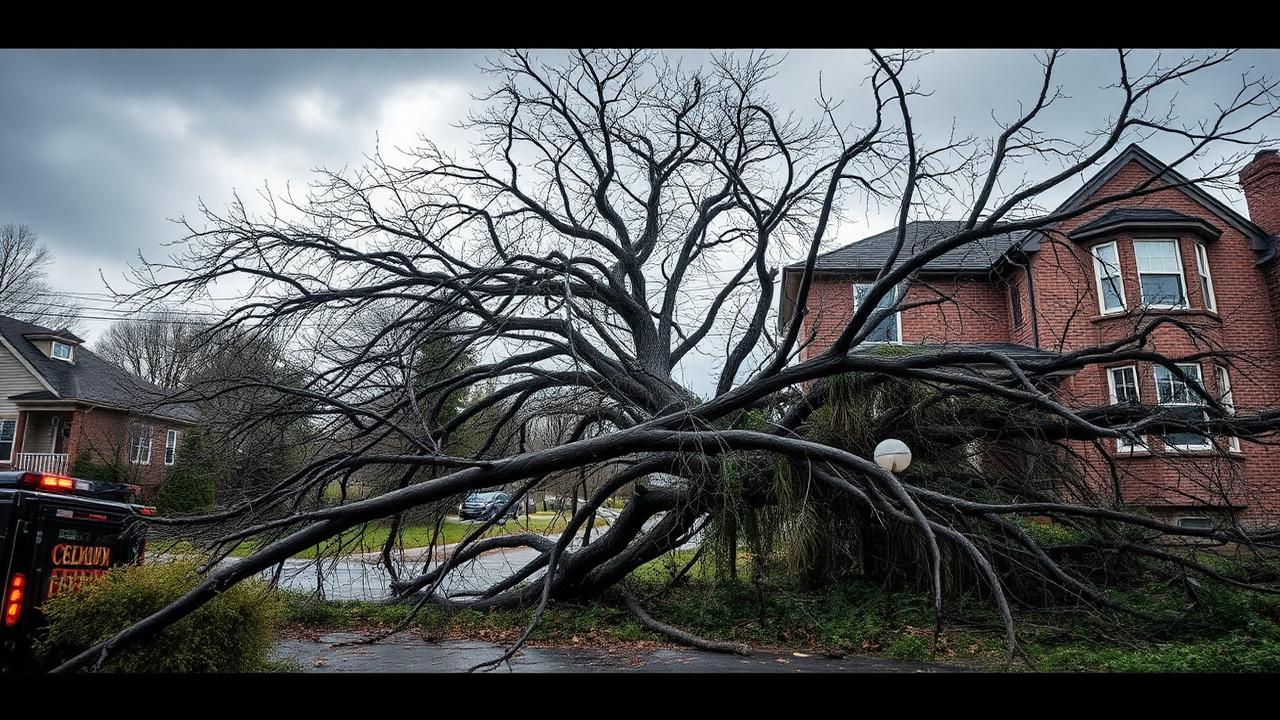
Every spring and fall the phone rings off the hook with the same call: "A tree came down in the storm — it's on my fence / car / roof." After almost three decades of these calls, I can tell you with confidence: most of those failures were predictable weeks or months in advance.
Here's how to stay ahead of the next nor'easter.
The pre-storm walk-through
Spend ten minutes after every windy day looking at your trees specifically. Not at the house, not at the lawn — at the trees.
- Fresh cracks at branch unions. A new split where two limbs meet is the single biggest predictor of failure in the next storm.
- Tilted soil at the base. If the ground is heaving up on one side of the trunk, the root plate is moving. That tree will come down — the only question is when.
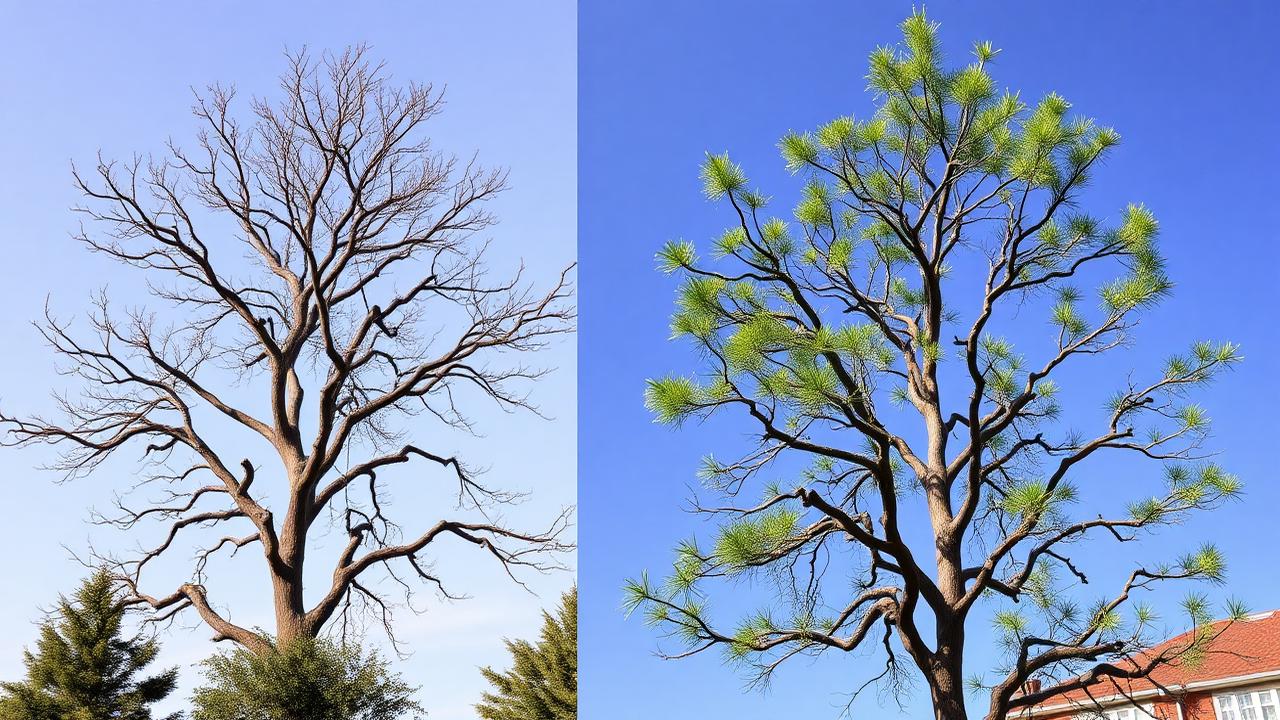
- Large dead limbs in the canopy. Deadwood is brittle and loses its grip in heavy wind. It's also the easiest thing to fix proactively.
- Hangers from the last storm. Broken limbs caught up in the canopy are projectiles waiting for the next gust.
The yearly maintenance list
- Deadwood prune mature trees every 2–3 years. Dead limbs are the first to fall and the most likely to damage property. This single service prevents most insurance claims.
- Address co-dominant stems. Trees that fork into two equally-sized trunks low to the ground are at high risk of splitting under load. Cabling can prevent this for a small fraction of the cost of removal plus replanting.
- Watch ash trees for emerald ash borer. Infested ash become brittle and fail without warning, often within 2–4 years of infestation. Treat early or schedule removal before they become emergencies in the dark in February.
During and after the storm
Stay inside during the storm. If a tree comes down on a power line, call PSE&G first, then us — never approach a downed tree near wires, even ones that look dead.
After the storm, document any damage with photos before cleanup if you plan to file an insurance claim. We provide written assessments suitable for adjusters at no extra charge during emergency response calls.
Frequently asked
How fast can you respond to storm damage?+
Same-day on hazards — trees on structures, blocking driveways, or near power lines. Routine cleanup is usually scheduled within 48 hours.
Do you work with insurance companies?+
Yes. We provide written assessments and itemized invoices that adjusters accept. We can also speak directly with your adjuster if needed.
Free on-site estimate
Got a tree like this on your property?
28 years climbing trees in Northern NJ. We'll tell you straight up whether the work is needed — no pressure, no upsell. Same-week appointments across Morris, Essex, Passaic, and Bergen.